Alienware 15 (2026): Budget Gaming Laptop Review and Alternatives
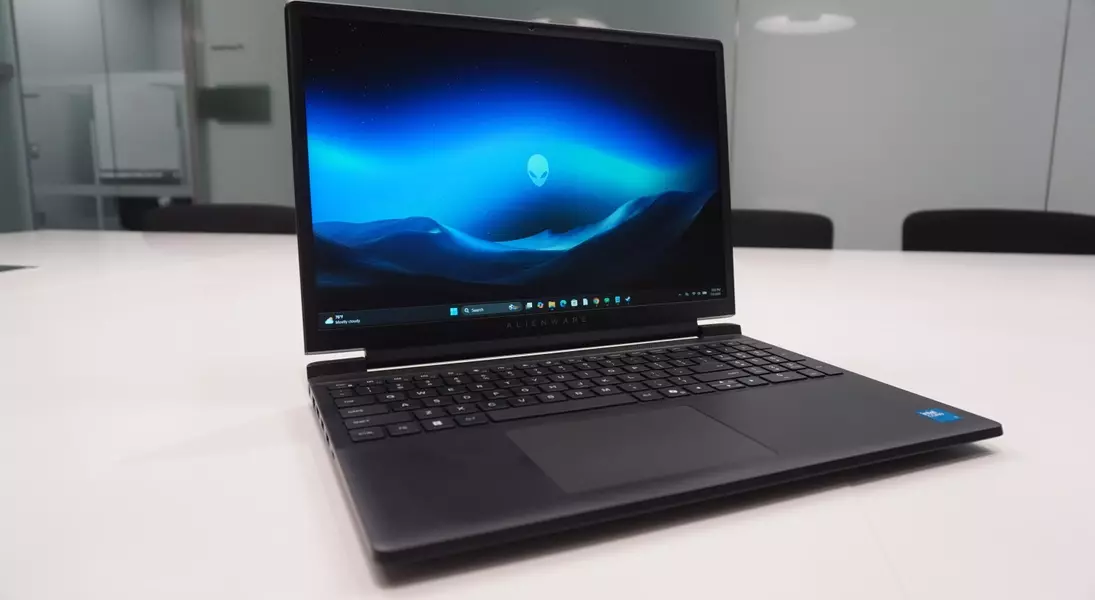
When considering the new Alienware 15 (2026), an initial evaluation reveals a product aiming to bridge the gap between premium gaming aesthetics and a more accessible price point. The core promise of this model is to offer a taste of the Alienware experience without the hefty cost usually associated with the brand. While the laptop excels in construction quality and provides satisfactory gaming performance, certain aspects, such as the display's visual limitations and some connectivity peculiarities, prompt a deeper look into its overall market position and value proposition.
Delving into the technical specifications, the Alienware 15 is equipped with hardware typically found in entry-level gaming machines. The review unit, for instance, featured an Intel Core 7 'Raptor Lake' CPU, a processor from 2022 that, while competent, trails behind the newer chips available today. Graphic processing is handled by an Nvidia GeForce RTX 4050, with options to upgrade to a 5050 or 5060. However, a notable detail is the GPU's Thermal Design Power (TDP) being capped at 85W, which is less than its potential 115W, hinting at a performance compromise. The chassis boasts a minimalist design, mirroring the Aurora 16 series, but distinguishes itself with side-mounted ports. Yet, the display, a 15.3-inch WUXGA panel, falls short in vibrance and viewing angles, representing only 62.5% of the sRGB color gamut, making it less ideal for tasks requiring precise color accuracy. Furthermore, battery life, while decent for a budget gaming laptop, offers around 5.5 hours for general use and less than two hours during intensive gaming, with noticeable performance dips when unplugged. The laptop's upgradeability is also somewhat constrained by a single M.2 slot.
Ultimately, the Alienware 15 (2026) presents a mixed bag. It successfully encapsulates the Alienware brand's build quality in a more affordable package, offering a competent gaming experience, especially for less demanding titles. However, the trade-offs, particularly concerning the display quality and some hardware limitations, position it in a competitive market segment where other brands might offer superior features for a similar or even lower cost. For example, the Lenovo LOQ 15, MSI Katana 15 HX, or even Dell's own Alienware Aurora 16 (especially when on sale) could be more strategic purchases, providing better displays, higher-tier GPUs, or more robust upgrade paths. Therefore, while the Alienware 15 is a commendable effort in budget gaming, potential buyers are encouraged to weigh its brand appeal against the feature sets and pricing of its rivals to ensure a smart investment.
In the dynamic world of technology, every product tells a story of innovation, compromise, and potential. The journey of the Alienware 15, striving to democratize high-end gaming, illuminates the intricate balance between ambition and reality. It reminds us that true value lies not just in a brand name, but in the harmonious integration of components that empower users and enrich their experiences. As consumers, our choices fuel this evolution, encouraging manufacturers to continuously push boundaries, not merely in power, but in accessibility and integrity. Let us champion transparency and thoughtful design, ensuring that technology serves all, fostering a future where innovation genuinely elevates every individual's journey.