Fed Official Waller Signals Potential Rate Hike Amid Persistent Inflation Concerns
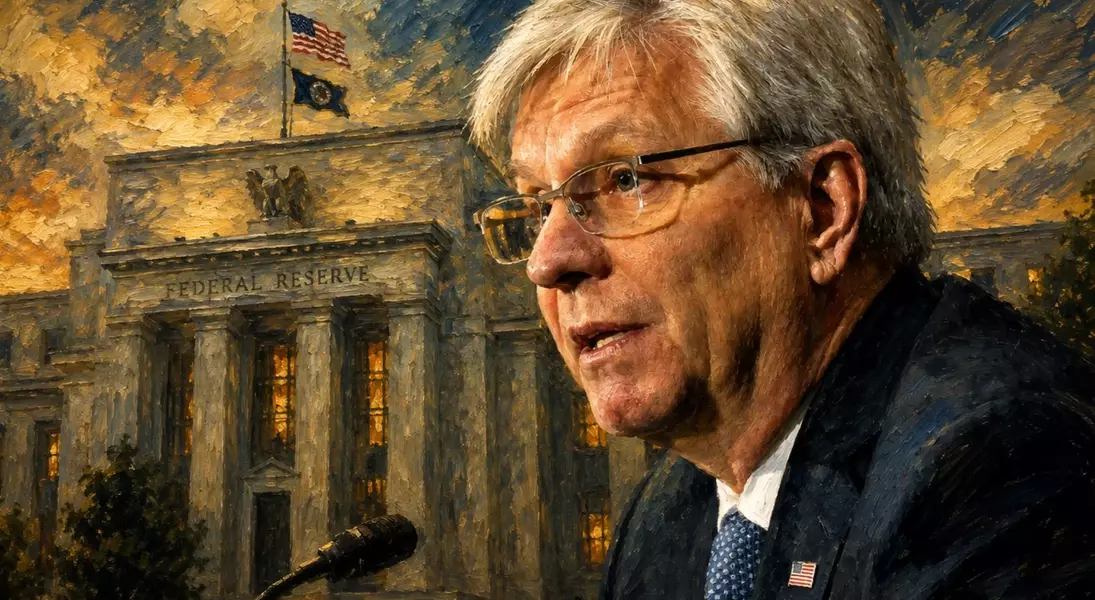
Federal Reserve Governor Christopher Waller recently conveyed a hawkish stance on monetary policy, suggesting that if core inflation data this week continues to show an upward trend, the central bank would need to contemplate increasing interest rates. He stressed that a sustained period of declining core inflation over several months would be crucial before the Fed could confidently assert that inflation is moving towards its desired 2% objective. Despite acknowledging the overall strength of the economy, Waller voiced apprehension regarding the persistently elevated pace of core inflation, highlighting the potential need for tighter monetary measures.
Waller's comments underscored the ongoing challenge of managing inflation while striving to avoid an excessive tightening of policy that could precipitate a recession. He noted that while there remains a plausible scenario for inflation to naturally recede to the 2% target without further rate hikes, an equally compelling argument exists for the necessity of more stringent monetary policy. This perspective is influenced by factors such as tariffs, the surge in energy prices (though concerns about broad oil price impacts have diminished), and robust demand fueled by consumer spending and significant investments in artificial intelligence.
During his remarks, Waller pointed out that the labor market, although stable and near the Fed's full employment goal, is not currently a primary driver of inflationary pressure. He anticipates continued solid growth in consumer spending and sustained momentum in AI-related investments. He also emphasized the Fed's commitment to learning from past errors, specifically referencing the 2021 period, and highlighted that current conditions differ, with a less tight labor market and stable inflation expectations.
His statements have significant implications for market expectations, with traders now assigning a considerable probability to a July or September rate hike. This situation intensifies the focus on the upcoming Consumer Price Index (CPI) report and any future remarks from Fed officials, including Federal Reserve Chair Kevin Warsh, whose testimony on Capitol Hill is highly anticipated. The financial markets reacted to Waller's comments with stock indices showing declines and bond yields, particularly the 2-year and 10-year Treasury yields, experiencing an uptick. Concurrently, the U.S. dollar strengthened against major currencies like the Euro and the British Pound, reflecting increased market expectations of higher interest rates.
In essence, Fed Governor Waller's recent remarks underscore the Federal Reserve's heightened vigilance against persistent core inflation, signaling a potential shift towards more aggressive rate hikes if economic data fails to show a clear downward trend in price pressures. His emphasis on observing several months of lower core inflation before gaining confidence highlights a cautious yet firm approach to achieving the 2% inflation target, all while balancing the risks of over-tightening and maintaining economic stability.