Market Turmoil: Oil Surges Amidst Geopolitical Tensions and Inflation Fears
Geopolitical Tensions and Economic Shifts: Navigating the New Market Landscape
Unfolding Geopolitical Strife: The US Imposes Sanctions on Iran
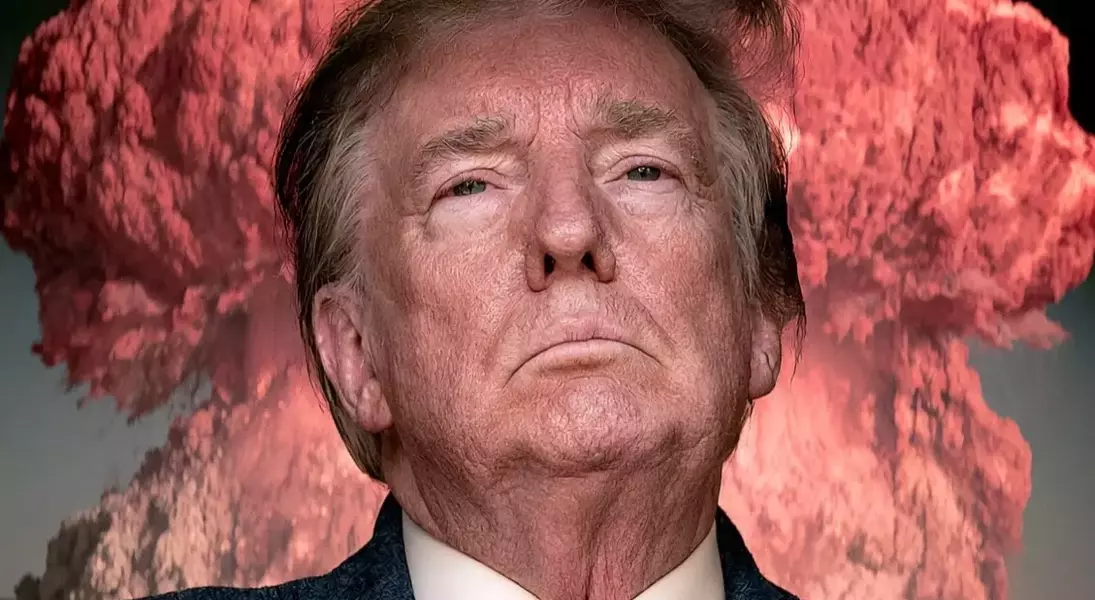
Recent announcements from the United States have outlined a comprehensive naval blockade against Iran, signaling a dramatic escalation of geopolitical tensions. This move, coupled with the imposition of a 20% tariff on all maritime traffic through the crucial Strait of Hormuz for guaranteed safe passage, has ignited widespread concern among international observers and market participants. Furthermore, reports indicate that this strategic shift coincided with a new series of military actions targeting commercial vessels near Iran, suggesting a deepening conflict.
Immediate Market Reactions: Oil Prices Soar Amid Uncertainty
The immediate aftermath of these announcements saw a pronounced surge in crude oil prices, climbing by almost 10% before a slight moderation. This sharp increase underscores the market's sensitivity to disruptions in a key oil-producing region and the potential for supply chain challenges. The instability harks back to previous periods of heightened tension, suggesting a protracted period of market volatility. Traders are closely monitoring the situation, as further developments could lead to sustained price increases.
Federal Reserve's Shifting Stance: Waller's Hawkish Remarks
In parallel to the geopolitical events, Federal Reserve official Waller's recent statements have indicated a significant pivot from a previously dovish monetary policy outlook. Expressing concerns over persistent inflation, Waller emphasized the critical importance of upcoming economic data, particularly core inflation figures, in determining future interest rate decisions. His remarks have led to an increased market expectation for a rate hike at the upcoming July meeting, with probabilities rising to 40%. Waller also acknowledged that previous concerns about the job market might have been overstated.
Inflationary Pressures and Bond Market Responses
The prospect of enduring inflation has notably influenced the bond market. Yields on US 2-year Treasuries ascended to levels not seen since February 2025, surpassing their values before the Federal Reserve's previous rate reductions. Longer-term bonds also experienced a sell-off, with 10-year yields increasing by 4.66%, reflecting growing investor apprehension about entrenched inflation and its potential to erode future returns. This indicates a broad market acceptance of the necessity for tighter monetary conditions.
Equity Market Performance: Tech Sector Decline and Earnings Season Anticipation
The equity markets, especially the technology sector, reacted negatively to the prevailing uncertainties. Leading semiconductor companies like Micron and Intel saw their shares decline significantly, with drops of 4.9% and nearly 7% respectively, contributing to a broader market downturn. This weakness signals investor caution ahead of the upcoming earnings season, which traditionally commences with reports from major financial institutions. These bank earnings are expected to provide crucial insights into the overall economic health and corporate profitability.
Currency Movements: US Dollar Strength and Euro Weakness
Amidst the global financial turbulence, the US dollar demonstrated considerable strength, leading other major currencies. The USD/JPY pair experienced a steady ascent, though its upward trajectory was eventually capped near the 162.50 mark due to ongoing concerns about potential currency market interventions. Conversely, the euro witnessed a consistent decline following an initial brief rally in early European trading, ultimately settling 30 pips lower against the dollar at 1.1383, highlighting its vulnerability in the current economic climate.