Nintendo Switch 2 OLED Model Potentially Delayed Due to Soaring Memory Costs
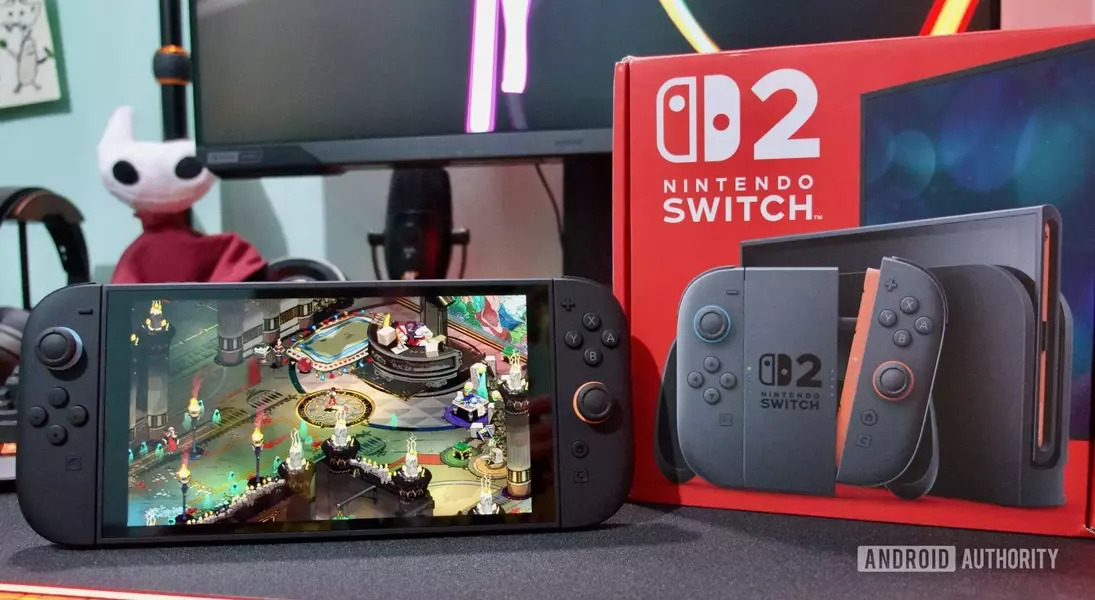
Nintendo's future plans for the Switch 2 include a potential OLED variant that would enhance the display resolution to 1080p Full HD, a significant upgrade from previous models. However, this proposed enhancement faces a major hurdle: the rapidly increasing costs of memory and other vital semiconductor components. While preliminary discussions are underway, the financial implications of integrating OLED technology, particularly rigid OLED panels from suppliers like Samsung Display, could significantly impact the console's production timeline and eventual market release.
Reports suggest that Nintendo is actively evaluating a new iteration of the Switch 2, which would incorporate a 1920 x 1080 pixel rigid OLED screen. This move would represent a substantial visual improvement over existing Switch models, including the first-generation Switch OLED. Samsung Display, a key supplier for Nintendo's current OLED panels, is reportedly keen to secure the contract for this advanced display technology. The anticipated launch of this upgraded model is not confirmed, as the company weighs the benefits of improved user experience against the financial realities of manufacturing.
A critical factor in Nintendo's decision-making process is the substantial price disparity between traditional LCD panels and the more advanced OLED screens. This cost difference is further exacerbated by the current global climate of escalating semiconductor and memory component prices, which are affecting the entire tech industry. If Nintendo greenlights the project, development is projected to commence towards the end of the current year. However, mass production is not expected until late 2027 or early 2028, indicating a potentially long wait for consumers.
This potential strategy aligns with Nintendo's historical approach of staggering hardware releases to extend the lifespan of its gaming systems. For example, the original Switch series saw a progression from the standard LCD model in 2017, to the handheld-focused Switch Lite in 2019, and finally to the Switch OLED in 2021. While these earlier versions maintained a 720p HD resolution, the initial Switch 2, released in 2025, already boasts a 1080p FHD LCD. Introducing an OLED variant around 2027 or 2028 would fit this established pattern of gradual enhancements. This phased release allows Nintendo to continually update its offerings and maintain market relevance over an extended period.
Ultimately, Nintendo is navigating a complex landscape where technological advancements must be balanced against economic constraints. The ambition to deliver a superior visual experience with the Switch 2 OLED is clear, but the cost of achieving this upgrade in the current market environment remains a significant challenge. The company's final decision will likely reflect a careful consideration of production expenses, market demand, and strategic timing to ensure the long-term success of the Switch platform.