Oil Prices Surge as Iran Blockade Imposed, Raising Geopolitical Tensions
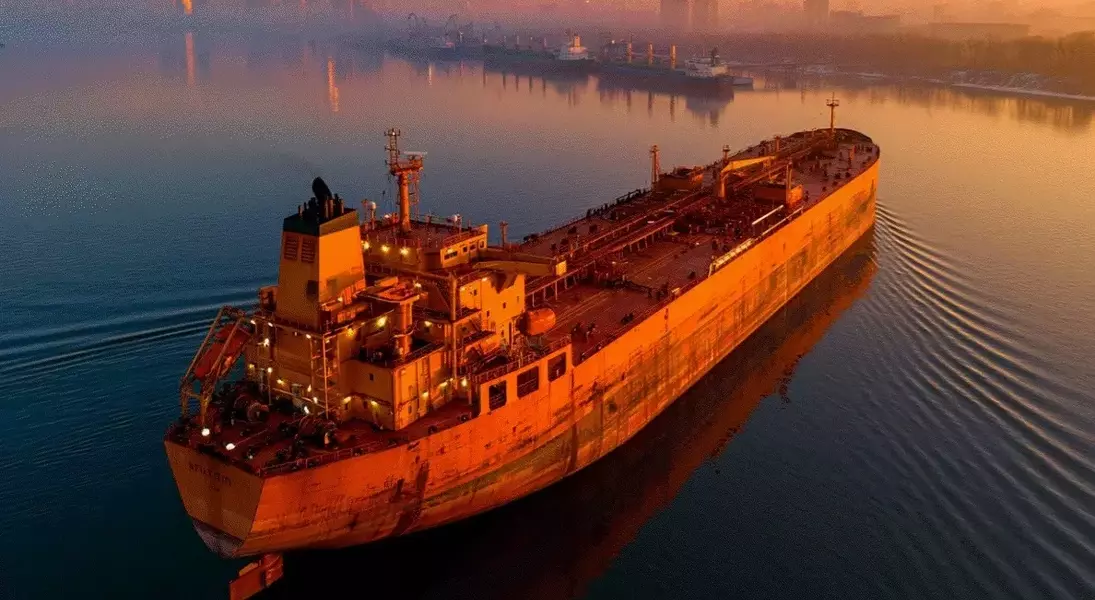
Global oil markets are experiencing significant upheaval, with prices surging by nearly 10% after the United States declared a comprehensive blockade against Iran. This drastic measure seeks to compel Iran's compliance amidst persistent disputes over maritime passage in the Strait of Hormuz. The strategy involves not only halting Iranian trade but also ensuring continued oil flow from other nations through escorted convoys, alongside a controversial 20% transit fee. This escalation has ignited fears of widespread economic repercussions, including rising inflation and potential disruptions to the global energy supply.
The announcement of the blockade marks a sharp turn in international relations concerning the Middle East, moving away from diplomatic solutions towards a more confrontational stance. Initially, there was hope for de-escalation, but the US administration's firm decision to enforce a total blockade signals a commitment to exert maximum pressure on Iran. This approach is fraught with danger, as experts warn of the heightened possibility of Iran targeting the oil infrastructure of neighboring countries, which could further destabilize the already volatile region.
The immediate market response saw West Texas Intermediate (WTI) crude oil jump by .87, reaching .27, representing a 9.6% increase. This rapid ascent in oil values suggests that traders are pricing in a substantial risk premium due to the intensified geopolitical climate. Interestingly, despite the rise in oil, gold prices fell by 3. This unusual divergence is attributed to expectations that major oil-importing nations might liquidate their gold reserves to maintain currency stability or to finance the acquisition of more expensive oil, indicating the potential for a ripple effect across various financial markets.
The current market trajectory suggests a clear path for oil prices to test the April low of .52. However, the long-term sustainability of such high prices remains uncertain. There are concerns about how long political leaders will tolerate soaring energy costs, especially given the potential for these costs to fuel inflation and complicate monetary policy decisions, such as interest rate hikes by central banks. The global economy, already navigating various challenges, could face additional strain from prolonged high oil prices.
The current predicament in the Strait of Hormuz highlights a complex geopolitical dilemma with no easy resolution. Previous attempts at negotiation have seemingly failed to alter Iran's strategic leverage in the critical waterway. The US administration's risky gamble to dismantle this leverage through a blockade has, in the short term, allowed some vessels to exit the region. However, doubts persist about the willingness of shipping companies to resume operations in such a high-risk environment. Consequently, global oil inventories are expected to continue dwindling, intensifying economic pressure worldwide.
The latest developments in the Middle East, particularly the US-led blockade against Iran, have sent shockwaves through the global energy sector, propelling oil prices upward and signaling a period of increased market volatility and economic uncertainty. The situation remains fluid, with potential for further escalation and significant impacts on international trade and finance.