UAE Boosts Fujairah Port to Bypass Strait of Hormuz
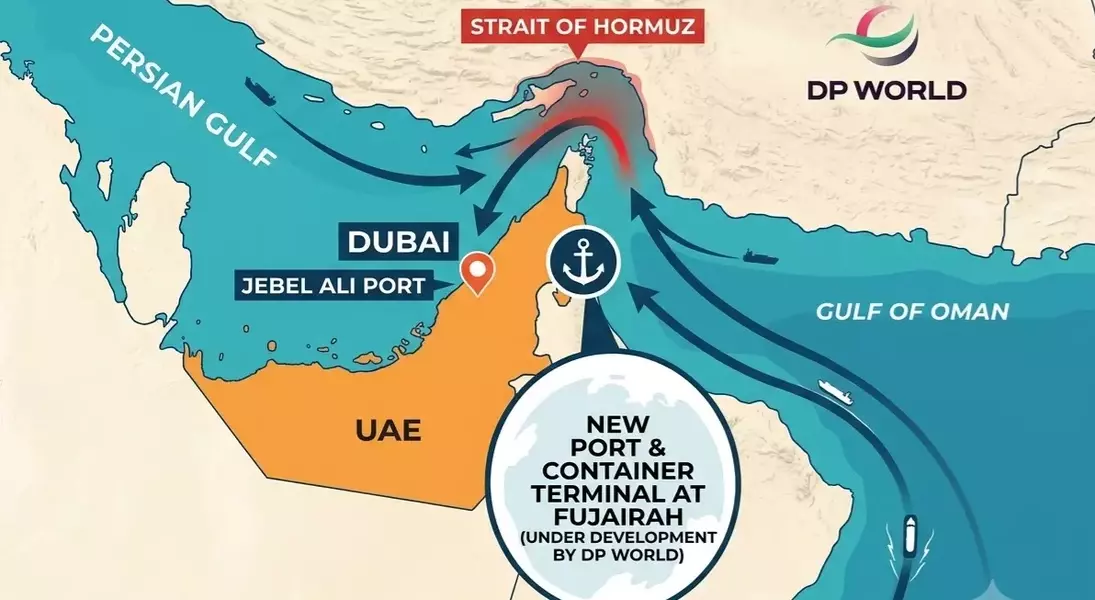
Securing Future Trade: Fujairah's Strategic Port Development
Responding to Geopolitical Realities: The Urgency for an Alternative Route
The decision to construct a new port and container terminal in Fujairah reflects a proactive strategy by the UAE to adapt to evolving geopolitical landscapes. Recent disruptions in the Strait of Hormuz have underscored the vulnerability of relying solely on this critical choke point for international shipping. This ambitious project, spearheaded by DP World, seeks to create a robust and reliable alternative, mitigating potential future shocks to trade and energy supply chains.
Fujairah's Role in a Resilient Supply Chain Network
Fujairah, strategically located on the Gulf of Oman, is poised to become a pivotal hub in the UAE's expanded maritime infrastructure. While already possessing a harbor, the planned upgrades will transform it into a major export and transshipment facility. This development will not only bolster the UAE's shipping capacity but also offer a more secure and efficient pathway for global trade, particularly for oil and other commodities, bypassing the inherent risks associated with the Strait of Hormuz.
Rapid Development to Counter Economic Vulnerabilities
The swift timeline projected for the Fujairah port's construction highlights the UAE's commitment to addressing its economic vulnerabilities. With construction potentially completing in as little as 18 months, this rapid development contrasts with typical port construction periods, emphasizing the critical need to secure alternative trade routes. The project also encompasses upgrades to other key ports like Dibba and Khor Fakkan, further strengthening the region's overall maritime capabilities.
Learning from Past Disruptions: The Jebel Ali Experience
The impetus for this strategic shift stems from the severe trade disruptions experienced during past closures of the Strait of Hormuz. The flagship Jebel Ali port in Dubai witnessed a dramatic decline in activity, forcing cargo rerouting and causing significant congestion at existing facilities in Fujairah and Khor Fakkan. This experience served as a stark reminder of the economic ramifications of a single point of failure, prompting the UAE to invest in diversified infrastructure.
Strengthening Energy Export Capabilities and Long-Term Vision
Beyond general cargo, the Fujairah expansion is also integral to the UAE's energy sector strategy. With increased oil production, the UAE is channeling more crude exports through Fujairah and accelerating the development of a second pipeline to double its export capacity. These investments signal a long-term vision where the nation's critical infrastructure is designed to withstand and circumvent regional instabilities, ensuring continued economic prosperity and global energy supply security.