US military launches third consecutive night of strikes against Iran, impacting global oil markets
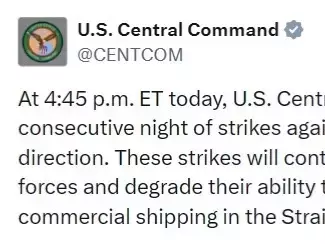
Escalating Tensions: A New Chapter of Conflict Unfolds
Understanding the US Central Command's Role in Recent Operations
The US Central Command (CENTCOM) has officially announced that American forces have engaged in a third night of targeted attacks against Iran. This declaration confirms a continued pattern of military intervention, highlighting the persistent and escalating nature of the conflict. CENTCOM's role involves overseeing military operations in the Middle East, and their communications serve as authoritative updates on these critical security developments.
The Immediate Impact on Global Oil Markets
As anticipated, the news of sustained military engagements has sent ripples through the global oil markets. The confirmation of ongoing hostilities is a significant factor contributing to the upward trajectory of oil prices. Investors and analysts are closely monitoring these developments, understanding that geopolitical instability in a key oil-producing region invariably translates into market volatility and price increases for crude oil.
Geopolitical Implications of Continuous Strikes
The repeated nature of these strikes suggests a strategic escalation in the US-Iran dynamic. Such sustained military pressure can lead to unpredictable responses from all parties involved, potentially broadening the scope of the conflict. The international community watches with concern, as any further destabilization in the Middle East could have far-reaching consequences beyond just energy markets, affecting trade, diplomatic relations, and regional alliances.
The Strategic Rationale Behind the Military Actions
While specific details regarding the targets and objectives of these strikes remain under wraps, the broader strategic rationale likely involves deterring Iranian aggression, safeguarding regional allies, and protecting vital international shipping lanes. Each night of strikes represents a calculated move in a complex geopolitical chess game, with long-term strategic goals influencing the short-term tactical decisions.
Future Outlook and Potential for Further Escalation
The continuation of these military actions raises questions about the future trajectory of US-Iran relations and the overall stability of the Middle East. There is a palpable concern that an extended period of conflict could lead to a more severe and widespread regional crisis. The global community remains hopeful for a de-escalation, but the current pattern of repeated strikes indicates a volatile path ahead, demanding constant vigilance from international observers and market participants alike.