FIFA Considers Expanding World Cup to 64 Teams After 2026 Success
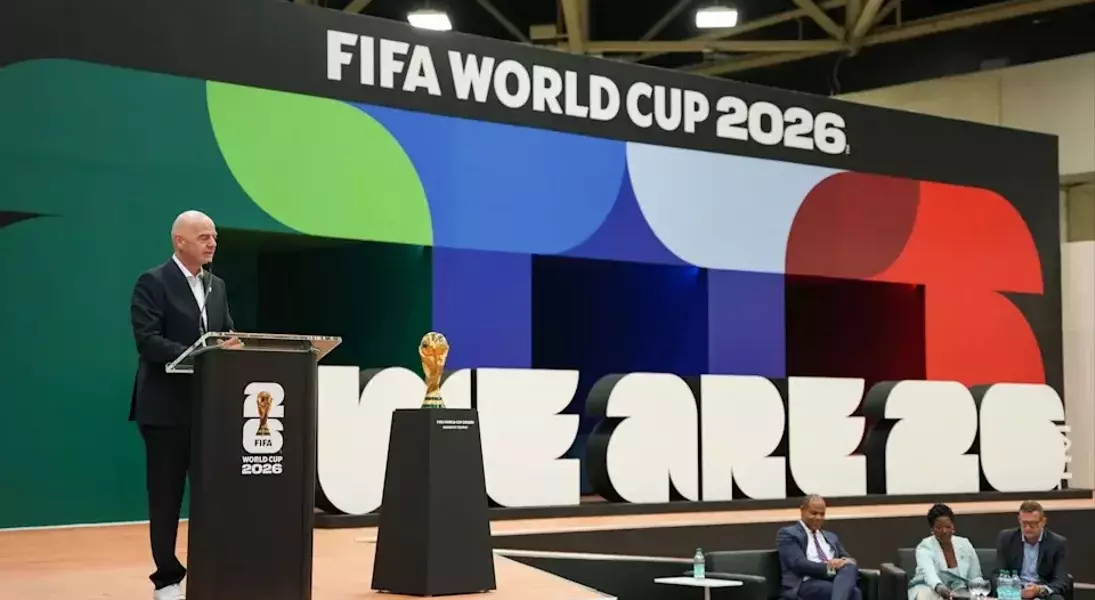
The 2026 World Cup has garnered significant acclaim for its expanded 48-team structure. In light of this success, FIFA President Gianni Infantino and his organization are now contemplating an even larger tournament for future editions, potentially increasing the number of participating nations.
This summer's event marked the first time the competition grew beyond 32 countries. However, Infantino's vision extends further, driven by the desire for increased global viewership and revenue. He has indicated a strong interest in expanding the tournament to 64 teams in the foreseeable future, an initiative that aligns with FIFA's broader strategy to broaden the World Cup's reach and emulate the widespread appeal of events such as March Madness.
Infantino articulated his rationale, emphasizing that organizing a World Cup should cater to the entire world, not just traditional football powerhouses like Europe and South America. He firmly believes that every nation deserves the chance to aspire to compete on the sport's grandest stage. Such an expansion would notably benefit federations in regions like Africa, Asia, and the Caribbean, which do not always feature prominently. Additionally, it could prevent historically strong teams, like Italy, from missing out on the tournament altogether, ensuring a more inclusive and diverse representation of global football talent.
Expanding the World Cup to 64 teams would naturally result in a substantial increase in matches, with projections indicating approximately 128 games compared to the 104 matches played in the 48-team 2026 tournament. Discussions around a 64-team format initially surfaced among FIFA executives and leading federations as early as 2025. Given the overwhelming positive response to the current World Cup, Infantino is reportedly eager to transform this concept into a reality, possibly as soon as the 2030 tournament. The 2030 World Cup will commemorate the competition's centennial, with matches scheduled across Morocco, Portugal, and Spain, and symbolic opening games potentially hosted in Argentina and Uruguay to honor the inaugural 1930 World Cup in South America. This ambitious plan underscores a commitment to fostering global participation and celebrating the universal appeal of football.